NOTHING TO SEE HERE – CENTRALIA, PENNSYLVANIA
CENTRALIA, 31.2 m. (1,484 alt., 2,446 pop.), was founded in 1826 and named for its then strategic commercial situation. Wooden buildings occupy the bottom of a hollow that has been invaded by stripping operations; some miners’ shacks are almost surrounded by pits. Many houses have settled because of mining operations under the town itself.
—Pennsylvania, A Guide To the Keystone State (WPA, 1940)
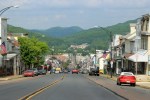
Imagine a town as you see it here in this first picture, with more than 1000 residents and over 500 homes and businesses. Now imagine it gone—literally wiped off the map. Families relocated. Structures razed and removed. Street signs dismantled and discarded. Zip code revoked. That’s the story of Centralia, Pennsylvania, a former coal town that literally burned itself out.
In 1962, as it had in years past, the town hired volunteer firefighters to clean up the town dump, located in a former strip mine. This entailed setting the landfill on fire and allowing it to burn. Unfortunately, the fire wasn’t fully extinguished and it ultimately found its way into the abandoned coal mines beneath the town.
It wasn’t until 1979 that the town became aware of the enormity of the fire burning beneath them. Eventually sinkholes were opening up, noxious levels of carbon monoxide were escaping and Pennsylvania officials were warning people to leave. In 1984 Congress allocated $42 million in relocation funds and in 1992, Pennsylvania took all properties in the town by eminent domain. A few folks have stood their ground; the population now stands at 10 with six houses remaining.
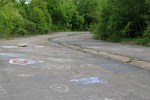
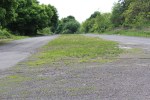
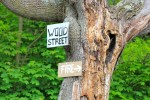
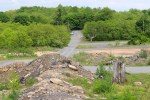
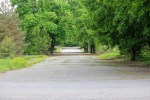
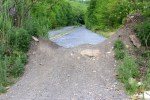
There is literally not much to see here as almost everything has been removed. Overgrown empty streets allow your imagination to run wild like the landscape itself. The only signs of the fire are the metal gas monitoring pipes installed by the DEP and the occasional wisps of smoke escaping from some cracks in the earth. Route 61 leading into town was closed off in 1992 because of the severe damage the fire caused. That portion is now referred to as Graffiti Highway and the new 61 jogs right onto what used to be an old logging road—now made modern with asphalt.
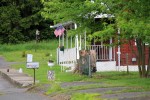
The only evidence that life still exists in Centralia are the few remaining homes with their tidy lawns and the cemeteries that are still well maintained. If you knew nothing of Centralia, you could almost drive through it without realizing the town had ever existed—it would be just a couple odd bends in the road. But if you know the story of Centralia it’s hard not to stop and take notice of what isn’t there anymore and imagine what it used to be.
* * *
Guide to the Northeast Brett Klein lives in Connecticut and works in New York, but prefers small town life and his homestate of Maine. Any chance to get rural is a mental vacation. Follow Klein on Tumblr at The Coast is Clear. His curatorial collection of Americana, rural life, other artists and ephemera can be seen on Tumblr at Tons of Land.





























 Stones In The Merrimack